
When Story Meets Strategy
What I learned about funnels, clarity, and being human in business. A conversation that went deeper than marketing

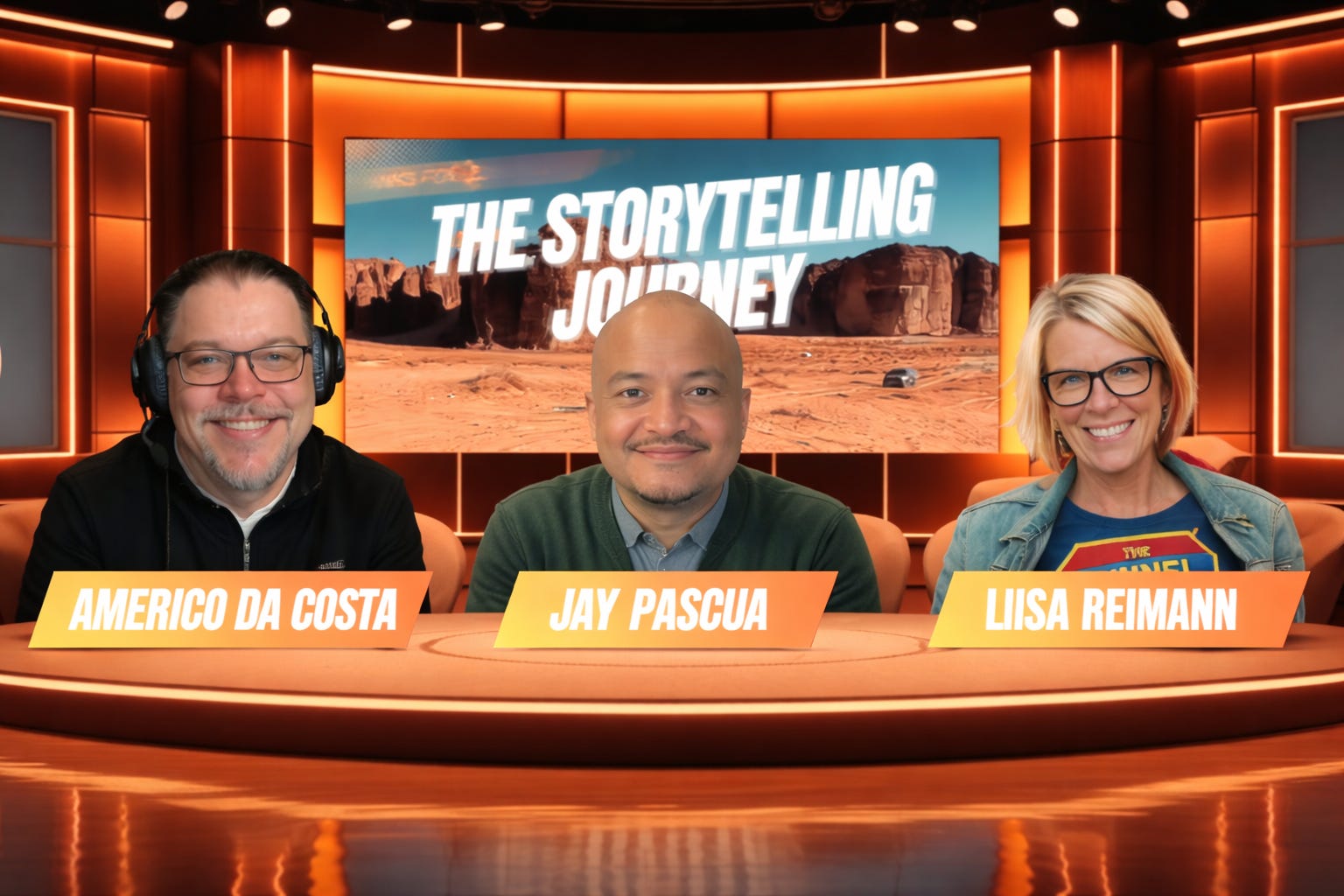
Every now and then, a live conversation surprises you. You go in thinking you’ll talk about tactics funnels, storytelling, conversion, maybe AI and instead, you end up talking about people, clarity, and trust.
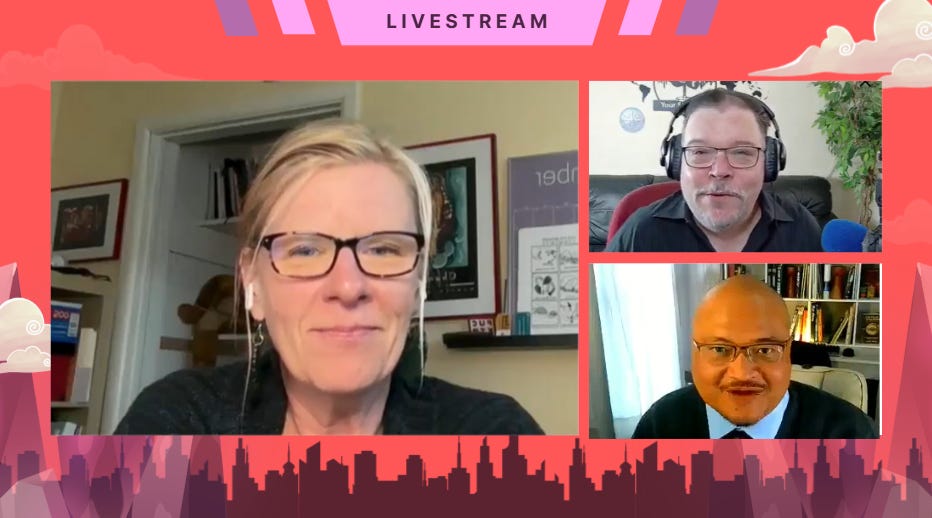
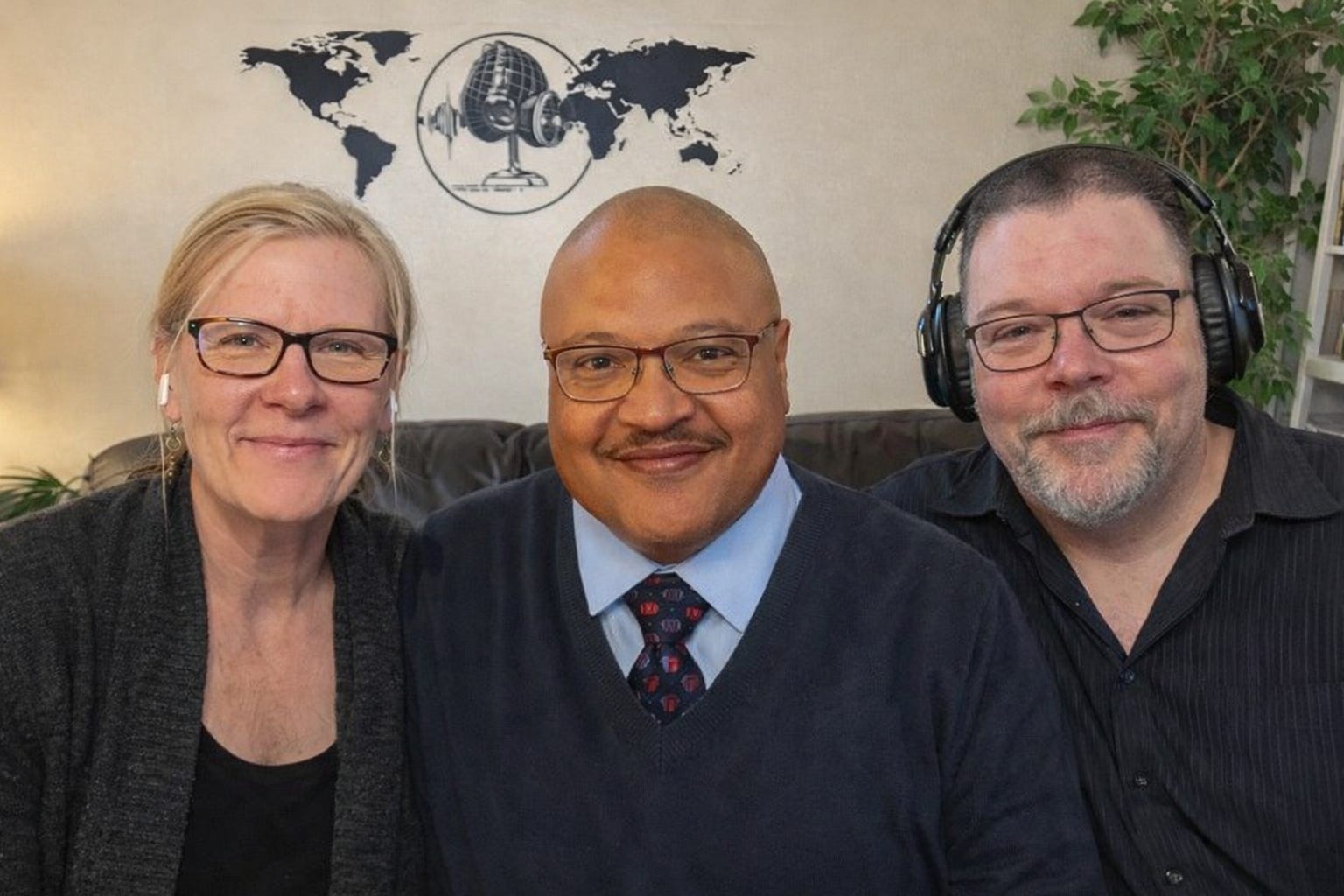
That’s exactly what happened during this episode of The Storytelling Journey with Liisa Reimann, the Funnel Fixer, and my co-host Jay Pasqua. What started as a discussion about funnels quickly turned into something far more meaningful: how stories guide people, how confusion breaks trust, and why authenticity still matters, especially now.
This episode reminded me that marketing isn’t broken but misaligned storytelling is.
Funnels Aren’t Manipulation They’re Navigation
One of the biggest reframes Liisa brought to the conversation was this:
A funnel isn’t a series of pages. It’s a decision path.
That landed hard. Too often, funnels are treated like mechanical systems, opt-in here, upsell there, trigger this email, push that CTA. But when we strip away the jargon, what’s left is simple:
A funnel is how you help someone move from where they are to where they want to be. Storytelling plays the role of guide, not hero and that distinction matters.
When funnels break, it’s rarely because the “tech” failed. It’s because the story stopped making sense or worse, stopped being about the other person.
Why “Just Show Up and Post” Isn’t a Strategy
We talked about something I see constantly in the wild:
People posting nonstop because they’ve been told that consistency equals success. But consistency without intention is noise. Consistency without direction dilutes your message. Consistency without clarity breaks the funnel quietly.
You don’t lose people because you didn’t post enough. You lose them because they didn’t know:
Who you’re for
What problem you solve
Or where you’re trying to take them next
When someone says, “My message isn’t landing,” the issue usually isn’t their passion, it’s positioning. People need to see themselves in your story. If they can’t, they leave.
Stop Making Yourself the Hero of the Story
This was one of the strongest moments of the conversation. Too many business stories start with:
“Hi, I’m [Name], and I’ve been doing this for 20 years…”
That might belong somewhere but not at the beginning. Your audience doesn’t wake up thinking about you. They wake up thinking about their problem.
The most effective stories flip the lens:
You are the guide
They are the hero
The story is about their transformation
Or as Liisa put it far more bluntly:
“Stop ‘we-ing’ on people.”
When storytelling starts with empathy instead of ego, funnels stop leaking.
Clarity Isn’t a Nice-to-Have
One truth echoed throughout the episode:
Clarity sells. Confusion repels.
If someone has to think too hard about:
what you do
who it’s for
or why it matters
they won’t stick around. Not because they’re incapable but because they’re busy. Your story doesn’t need to be smarter. It needs to be simpler. If your message can’t be understood in a few seconds, it becomes friction and friction kills momentum.
Conflict Belongs in Stories
We also tackled conflict, and this is where things got nuanced. Yes, conflict is essential in storytelling. Every meaningful story has tension.
But there’s a difference between:
Shared struggle (which builds connection)
Manufactured outrage (which builds attention, not trust)
Borrowing someone else’s conflict for clicks might get views. But it also attracts the wrong audience or drives the right one away.
Conflict should make someone feel:
“That’s me. I’ve been there.”
Not:
“Wow. That escalated.”
Your story should invite alignment, not chaos.
Freebies, Funnels, and the Trust Exchange
We addressed the elephant in the funnel room: freebies.
Free doesn’t mean worthless but irrelevant free is. The role of a free offer isn’t to sell, It’s to solve one small problem well. Not a teaser, not bait and not a half-solution that leads to pressure.
A genuine free win builds trust. Trust opens the door to the next step and if your freebie doesn’t naturally lead to a deeper conversation but instead ends the journey that’s not generosity, that’s a dead end.
AI Isn’t the Enemy
We couldn’t avoid the AI conversation and honestly, I’m glad we didn’t.
Here’s where we landed:
AI isn’t dangerous by default. Intent and guardrails matter.
Using AI to:
summarize a real conversation
organize your thoughts
speed up production
That’s leverage.
Using AI to:
fabricate stories
replace lived experience
outsource your voice entirely
That’s where authenticity breaks.
AI can assist the storyteller. It should never replace one. The soul of the story still has to be yours.
From Stuck to Momentum: The Simplest Truth
When I asked, “What’s the fastest way to move from being stuck to momentum?” the answer wasn’t tactical. It was human. “Don’t do it alone, get help, get feedback, get perspective. Even the greats had coaches. Momentum rarely comes from grinding harder. It comes from seeing more clearly.
Ready to Take This Further?
If this conversation sparked something for you, here are a few ways to keep it going:
▶ Watch the full replay of our conversation with Liisa
▶ Join me inside Your Stage LIVE on Skool® and start your live content journey
▶ Reach out directly if you’re ready to build conversation‑driven growth