

From One Livestream to a Content Engine
One livestream. Twelve content themes. Dozens of clips. Hundreds of future conversations. That’s the power of repurposing with intention. What we learned about audio, authority, and building

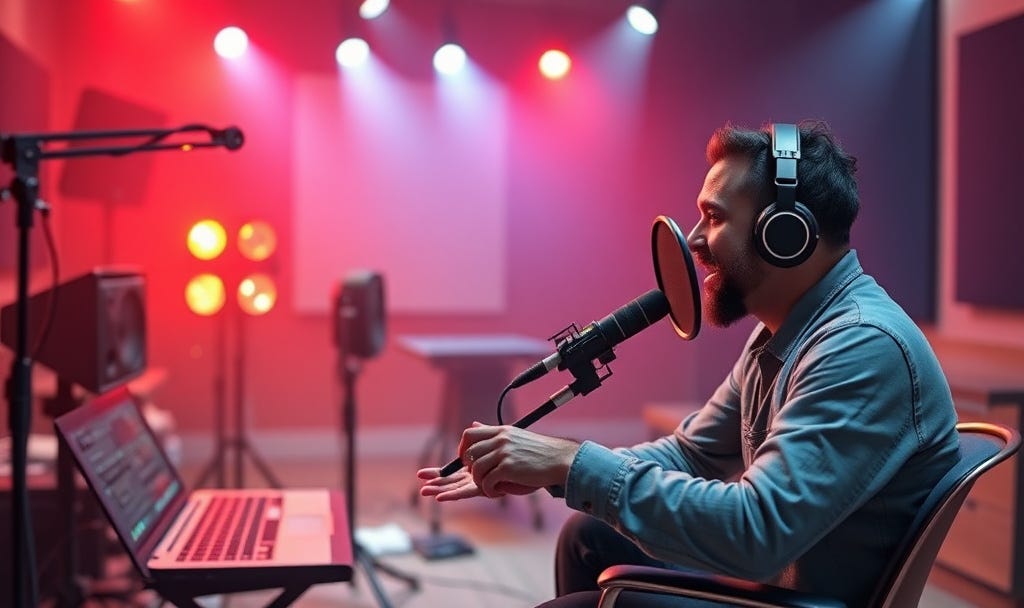
One of the things I love most about hosting live events is that you never know where the conversation is going to go.
What started as a simple Social Audio Soundcheck inside Your Stage Live on Skool quickly evolved into a masterclass on content creation, livestreaming, public speaking, podcasting, platform strategy, audience building, and personal branding.
Joined by Keith Keller from Australia and several incredible community members, what unfolded was a perfect example of something I talk about often:
A single live event can become an entire content ecosystem.
That’s exactly why I believe livestreaming remains one of the most powerful tools available to creators, coaches, speakers, and business owners today.
The Magic of Real-Time Learning
One of the first topics we explored was the value of live, interactive learning.
Keith and I reflected on how remarkable it is that someone in Canada can learn from someone in Australia, in real time, while community members from other parts of the world join the conversation and contribute their perspectives.
Could these lessons be found on YouTube? Probably.
But there’s a difference between consuming information and participating in a conversation.
Live events allow people to pause the discussion, ask questions, seek clarification, and explore ideas deeper than a pre-recorded video ever could.
For kinesthetic learners especially, this matters. Learning becomes more than information. It becomes experience.
Why Sound Matters More Than Most People Think
One of the strongest themes throughout the event was the importance of audio quality.
Keith made a statement that I wholeheartedly agree with:
You can get away with average video.
You can’t get away with poor audio.
In today’s attention economy, people make decisions almost instantly.
If your sound is distracting, full of background noise, hollow, distorted, or difficult to understand, viewers and listeners often leave without even knowing why.
Sound influences:
Trust
Authority
Retention
Engagement
Listener experience
The reality is simple. People may forgive an imperfect camera. They rarely forgive bad audio.
The Three Levels of Content Creators
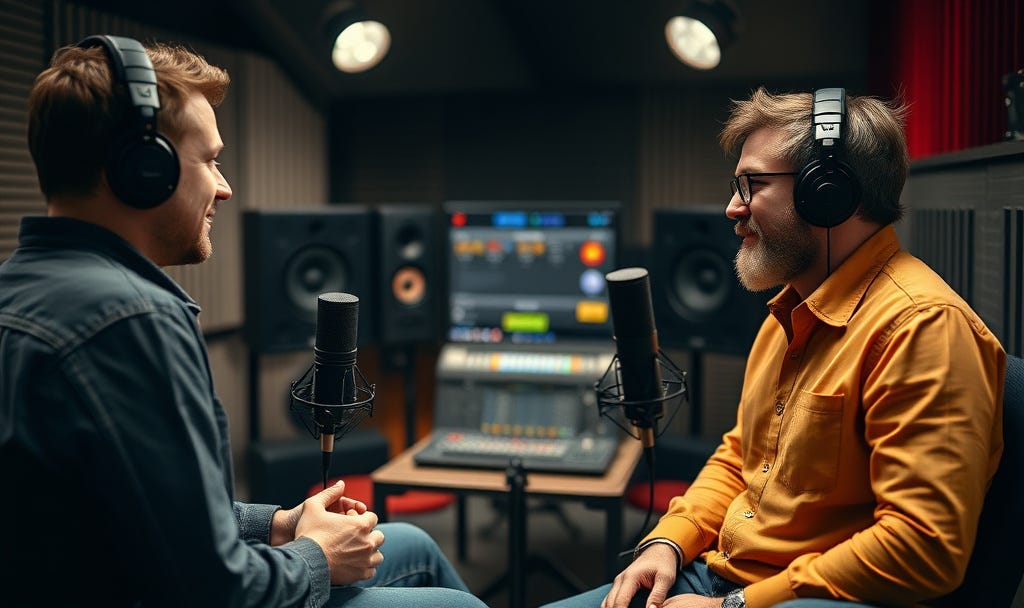
Another fascinating conversation centered around the different stages of content creation.
We discussed three general levels of creators:
Level One: Casual Creators
Creators using laptops, mobile devices, and basic equipment. They’re getting started. They’re learning. They’re finding their footing.
Level Two: Intentional Creators
These creators want their content to sound like radio and look like television. They invest in their process. They focus on improving the audience experience.
Level Three: Professional Broadcasters
Creators operating at the highest levels. They run sound checks. They have technical standards. Some even ship microphones to guests before interviews. The lesson wasn’t about judgment.
It was about understanding where you are today and where you want to go tomorrow.
The Psychology Behind Camera Anxiety
One of my favorite parts of the discussion came when Tracy joined us.
As a communication specialist who helps new and nervous speakers find their voice, she shared insights into the fears many people experience around public speaking and video creation.
What became clear was people aren’t necessarily afraid of the camera. They’re afraid of judgment. They’re afraid of making mistakes and afraid of not being good enough.
But something powerful emerged from the conversation; Everyone gets judged. The goal isn’t avoiding judgment. The goal is sharing a message that matters enough to be heard despite it.
Social Audio: The On-Ramp Many Creators Need
This naturally led us into an important conversation about social audio. For people who aren’t ready to appear on camera, social audio creates an incredible opportunity.
It removes barriers.
It reduces anxiety.
It allows creators to focus on their message instead of their appearance.
One statistic Keith shared really stood out:
Nearly 25% of people prefer audio-first content. and when you think about it, it makes perfect sense.
People listen while:
Driving
Walking
Exercising
Cleaning
Commuting
Working
They’re not necessarily watching. They’re listening. That makes audio a powerful medium for building trust and community.
The Repurposing Conversation Every Creator Needs to Hear
Toward the end of the event, we shifted into a discussion that perfectly illustrates why livestreaming remains one of the smartest content strategies available today.
We talked about repurposing and more importantly, we talked about what repurposing actually means. Repurposing is not copying and pasting. Repurposing means taking one conversation and transforming it into multiple experiences.
For example, this single livestream generated at least twelve major content themes:
Global Learning Communities
Kinesthetic Learning
Audio Quality
The Attention Economy
Creator Growth Stages
Dynamic vs Condenser Microphones
Camera Anxiety
Social Audio
Repurposing Content
Platform Strategy
Books as Authority
Community and Collaboration
Now imagine what happens next. Each of those themes becomes:
A LinkedIn post
A short-form video
A carousel
A podcast segment
A newsletter article
A Substack post
A discussion topic
A client teaching opportunity
One livestream, dozens of assets, hundreds of touchpoints, thousands of opportunities to reach the right audience.
Why I Believe Livestreaming Is Still Underrated
Every live event creates something valuable. Even if nobody shows up. That might sound strange, but it’s true. Because the real value is often in the assets created afterward.
The transcript.
The clips.
The quotes.
The lessons.
The stories.
The insights.
The relationships.
Every conversation becomes an opportunity to educate, inspire, and create momentum long after the stream ends.
That’s why I continue to encourage people to go live. Not because it’s trendy, not because it’s easy, but because it allows you to create once and distribute everywhere.
Final Thoughts
What began as a social audio soundcheck became a conversation about content, community, confidence, authority, and connection.
More importantly, it became a perfect case study for what I teach every day. Your livestream isn’t the finish line. It’s the starting point.
The magic happens when you repurpose, redistribute, and repackage the value inside that conversation for the people who need to hear it. Because your audience isn’t all gathered in one place. They’re consuming content in different formats, on different platforms, at different times.
Your job isn’t simply to create. Your job is to make sure your message continues to travel and that’s how you become seen, heard, and remembered.
